Micro-corrugated printed retail box manufacturer
Custom printed micro-corrugated boxes for retail products
Small printed E-flute and F-flute printed retail boxes for cosmetics, electronics, candles, food and gift products. Wzpackage matches the tuck style, bottom lock, insert and print finish to the product and packing method.

Small product applications
Micro-corrugated printed retail boxes for compact retail products
Thin E-flute and F-flute board adds more structure than standard paperboard while keeping the format close to a folding printed carton. These examples focus on small product boxes, not outer shipping cases.
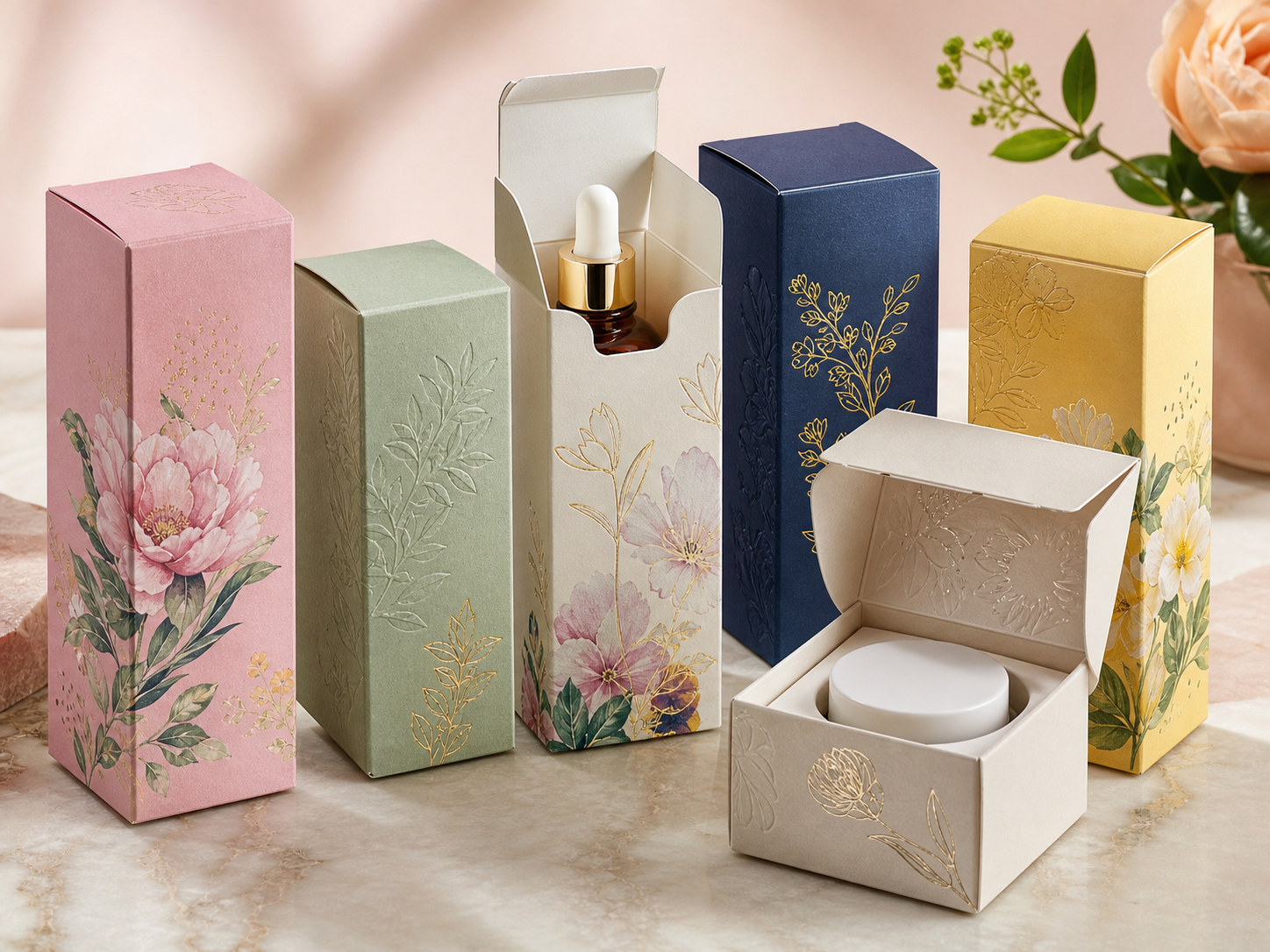
Tall serum bottle printed retail boxes
A thin micro-flute wall gives tall bottles more resistance to crushing while retaining a refined printed retail surface.
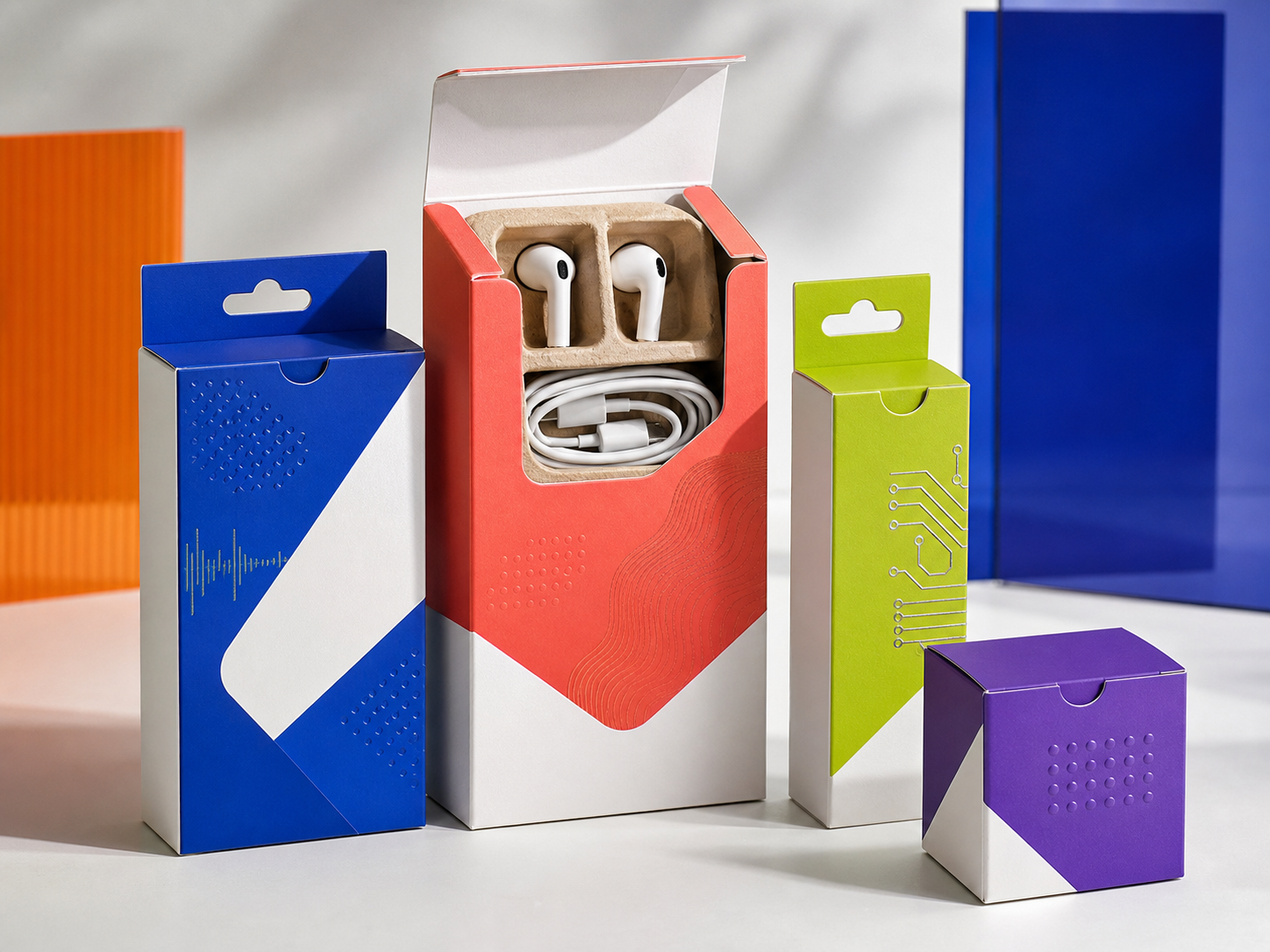
Earbuds and cable cartons
Compact square cartons combine a tuck-top opening with a molded paper insert for the case, cable and small accessories.
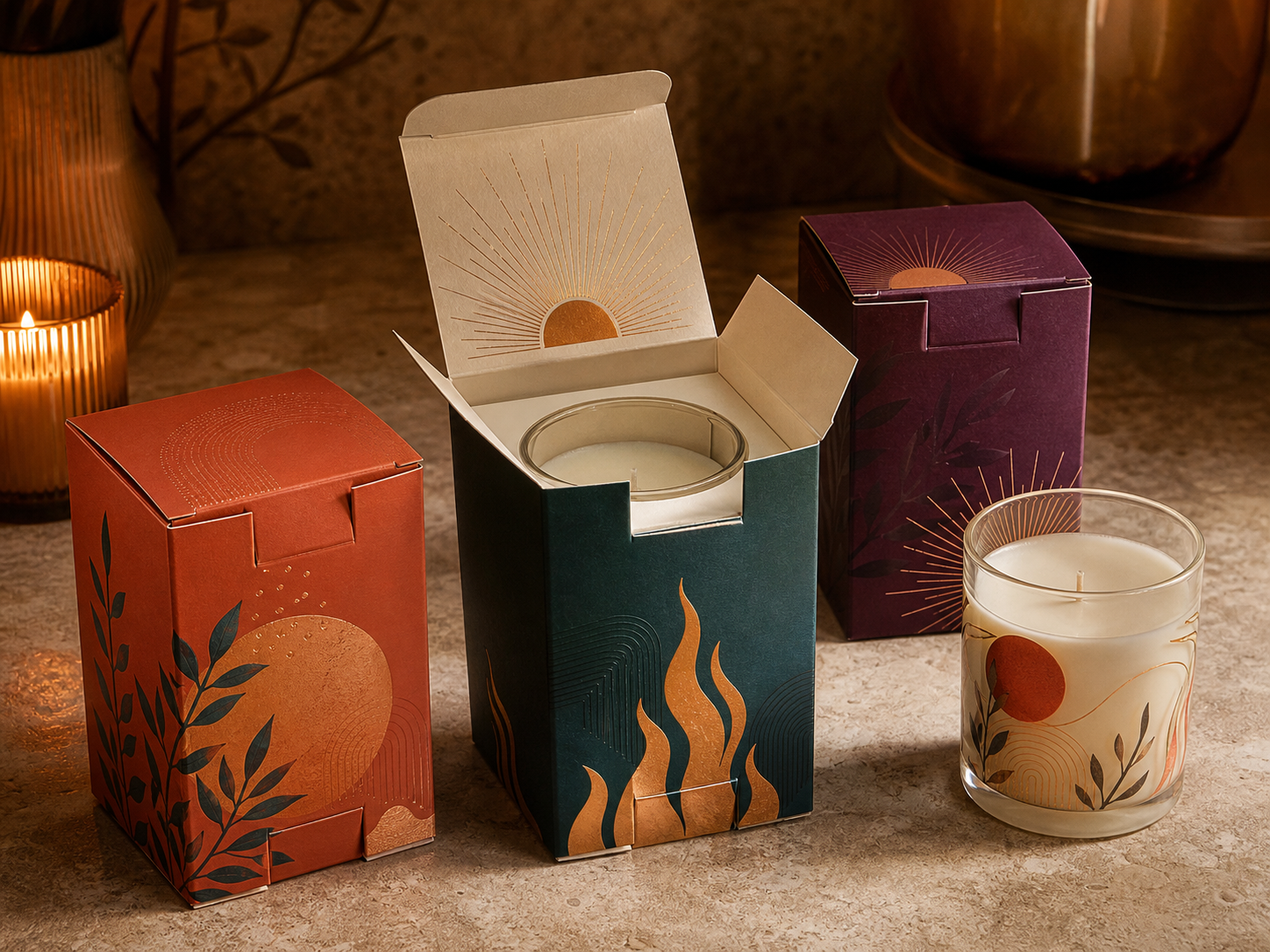
Candle jar lock-bottom boxes
A lock or automatic bottom supports the jar and a paper ring reduces movement without using a bulky mailer format.

Perfume bottle cartons
Vertical printed-carton proportions protect the bottle, provide print space and remain easy to assemble on a packing line.
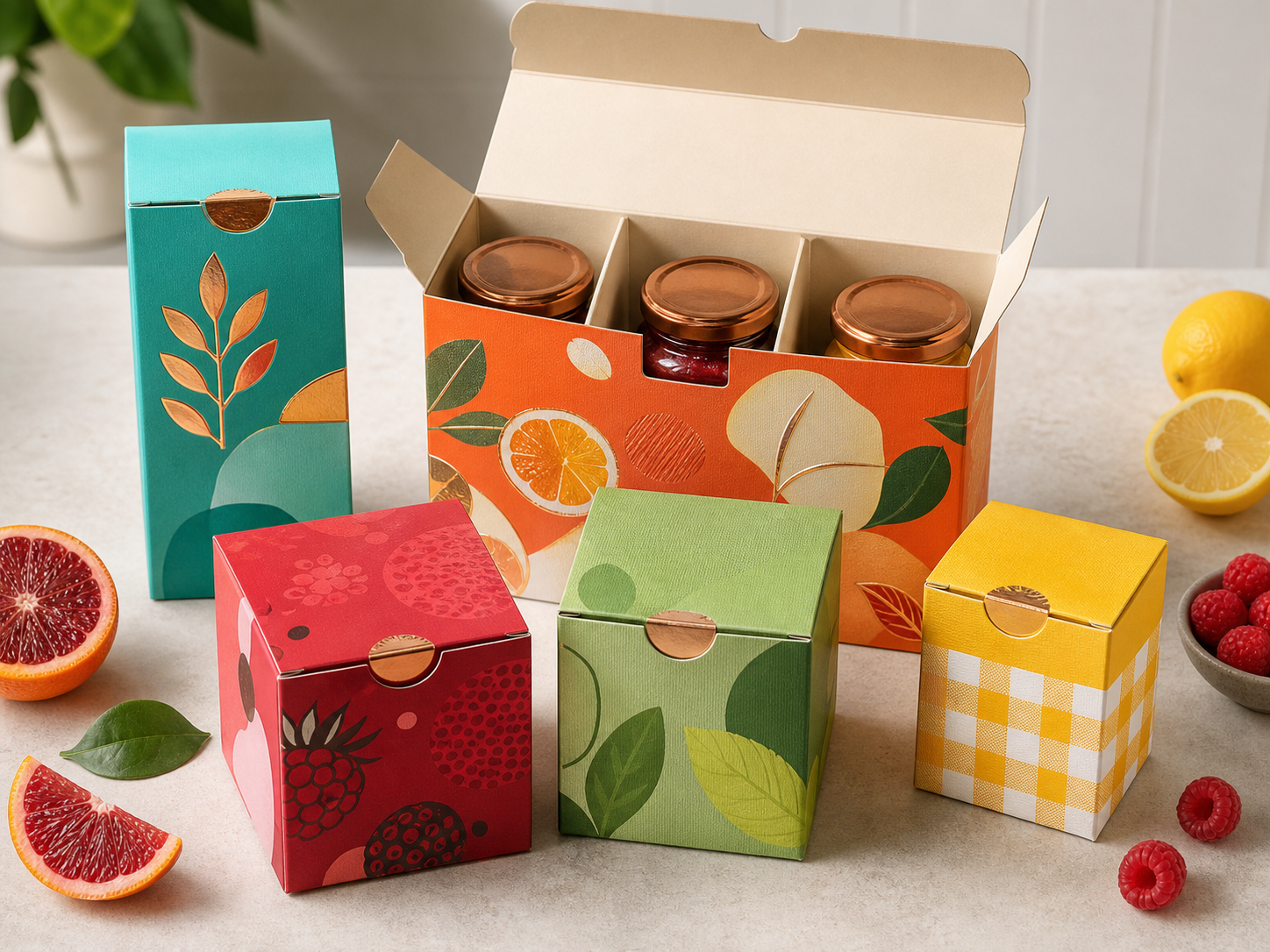
Jar and snack printed retail boxes
Internal dividers organize a compact assortment while micro-flute board helps the outer carton hold its shape.
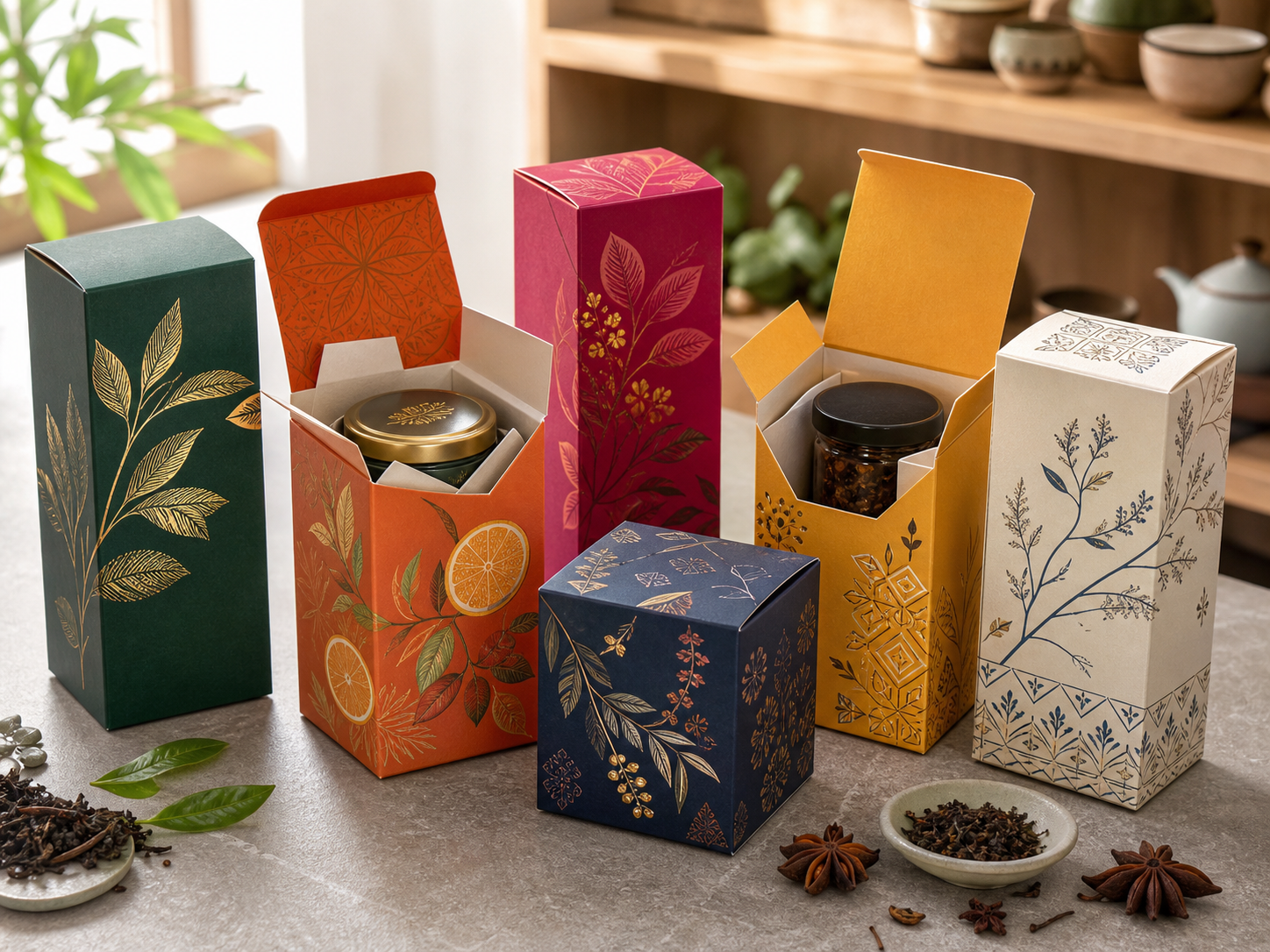
Tea and specialty food cartons
Printed tuck cartons add structure around tins and jars while keeping the pack suitable for countertop retail display.
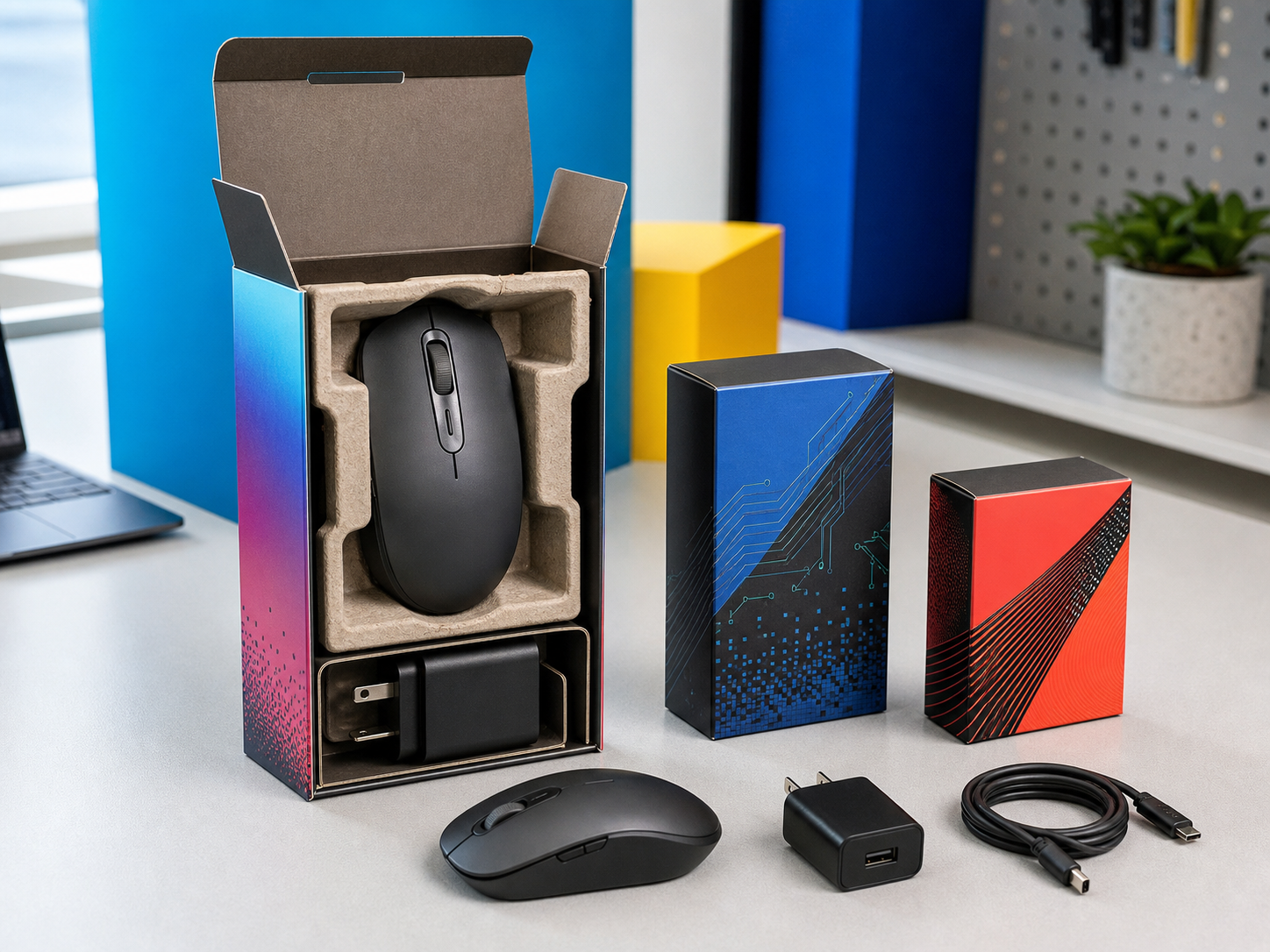
Mouse and adapter cartons
An upright folding carton keeps the device and power accessory organized in a compact retail pack.
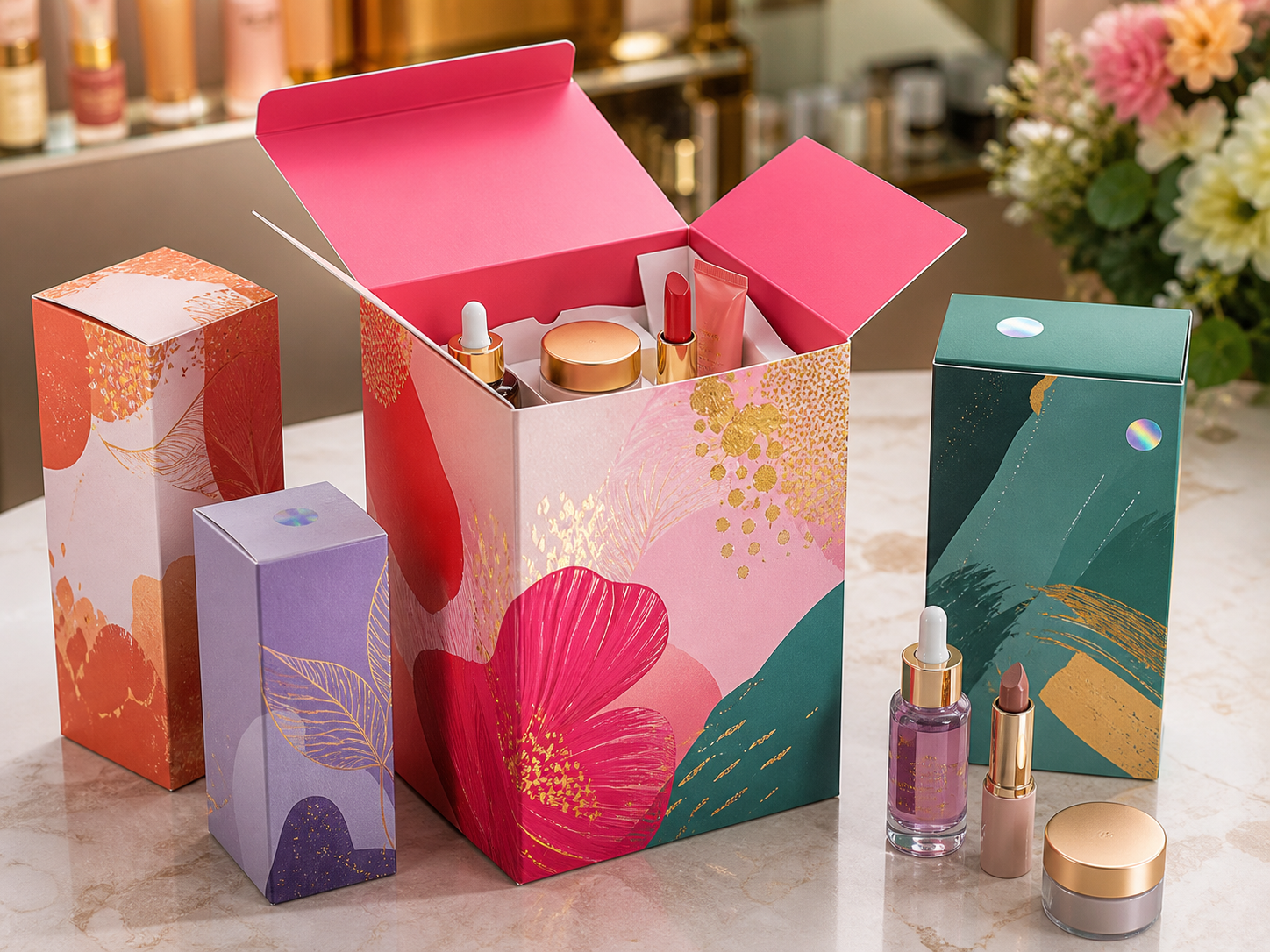
Cosmetic gift-set printed retail boxes
A wider tuck-top carton and fitted tray hold several products while preserving a conventional folding printed-carton structure.
Board and flute
Choose micro-flute strength around the product and packing method
Flute affects thickness, compression and print appearance, but it is not a load rating by itself. The final board grade should be confirmed against the packed product and route.
| Design choice | Typical fit | What the sample should prove |
|---|---|---|
| E-flute board | Compact printed retail cartons for cosmetics, candles, small electronics and gift products. | Closure, print surface, product movement and insert fit. |
| F-flute board | Small retail cartons where board thickness, fold quality and print presentation need careful review. | Fold lines, tuck fit, assembly, product fit and print appearance. |
| Inserts and dividers | Products or sets that need support or separation inside the retail box. | Product movement, clearance, loading and removal with the actual contents. |
Send the product dimensions and weight before choosing the flute. A thicker board can add cost and shipment volume without solving a poor fit or weak internal support.
Freight and shipping charge
Balance printed-carton presentation with packing efficiency
Shipping cost is influenced by the finished box size, packed weight, how the empty boxes are bundled, master-carton dimensions and the destination. Right-sizing the box often saves more than removing a small print detail.
For a useful supplier comparison, ask for the box unit price, sample or tooling cost and freight estimate as separate lines.
- Size the inside around the product and only the protection it actually needs.
- Reduce empty space that creates void fill and dimensional-weight charges.
- Ship boxes flat where the structure allows it to reduce storage and freight volume.
- Confirm bundle quantity, master cartons, pallet needs and delivery terms before bulk production.
- Provide the destination country, city or postal code when requesting a freight estimate.
Print after protection
Print the micro-corrugated box without hiding its structure
A retail box needs clear product information, consistent branding and a good fit. Choose the liner, printing process and finish together with the carton structure.
Plan artwork around the front, side and information panels. Keep barcodes and product details clear, and check how the print aligns with folds, tuck flaps and glued areas on the sample.
- Box styles
- Tuck-top cartons, lock-bottom boxes and folding cartons with fitted inserts or dividers.
- Materials
- E-flute and F-flute board with a printed liner, selected for the product and carton structure.
- Printing
- Flexographic spot color, offset-laminated full color and digital printing for suitable structures and quantities.
- Protection
- Paper inserts, dividers and product-specific supports to control movement inside the retail box.
- Artwork checks
- Dieline, barcode quiet zones, panel direction, glue or tape areas, color references and handling marks.
Quote without guesswork
Send six details for a more accurate micro-corrugated box quote
You do not need finished artwork to start. A product photo, dimensions and the route are enough for an initial structure recommendation.
- 1. Product size and weightInclude the packed arrangement when several items go in one box.
- 2. QuantityShare one or more volumes if you want to compare unit cost.
- 3. Delivery routeEcommerce parcel, wholesale case, export shipment or retail distribution.
- 4. DestinationCountry plus city or postal code for freight planning.
- 5. Print directionKraft, white, outside print, inside print or full-color presentation.
- 6. Protection needsFragility, stacking, insert, divider, corner support or return feature.
From sample to bulk
Test the packed product before approving the printed retail box
A screen proof confirms artwork. A physical sample confirms fit, closure and handling. Both are needed when the box must protect the product through delivery.
Define the product
Product, weight, quantity, destination and delivery conditions.
Build the dieline
Confirm inside dimensions, structure, flute and artwork panels.
Pack-test the sample
Check fit, closure, movement, stacking and opening experience.
Approve bulk details
Confirm print, bundle packing, master cartons and delivery schedule.
Buyer questions
Practical answers before you request a sample
How does a micro-corrugated retail box differ from a mailer box?
A micro-corrugated retail box is designed around product presentation and fit on the shelf. This page focuses on printed folding cartons with tuck or lock-bottom closures. A mailer box usually has a hinged lid for parcel delivery and unboxing.
Which flute should I choose?
E-flute and F-flute are the options covered on this page. Choose the board with the product dimensions, weight, closure and insert in mind. Review a physical sample to confirm fit, folding and print appearance before production.
Can micro-corrugated retail boxes be printed inside and outside?
Inside and outside printing depend on the structure, liner and printing process. Share your artwork and preferred finish so we can confirm the suitable options for your retail box.
How is the shipping charge estimated?
The estimate depends on order quantity, finished bundle or pallet volume, gross weight, destination and delivery terms. Provide the destination country plus city or postal code and ask for freight to be listed separately from the box unit price.
Can you help reduce dimensional-weight cost?
We can recommend a right-sized structure based on product dimensions and packing layout. Reducing unused volume, unnecessary inserts and assembled shipment volume can improve freight efficiency, but the final carrier charge depends on the delivery route.
What are the MOQ and production times?
MOQ starts from 500 pieces for one size and artwork, subject to specification review. Sample timing depends on the structure, printing method and finishes. Confirm the sample type, cost and lead time before ordering. Production and shipping schedules are quoted separately.
Quote the product box and insert together
Send the product dimensions, packed weight, quantity, destination and a reference image. Wzpackage will recommend a practical corrugated structure and the information needed for sampling.